
You May Know Us Through Reverse Engineering, But Our CNC Machining Is Just as Strong
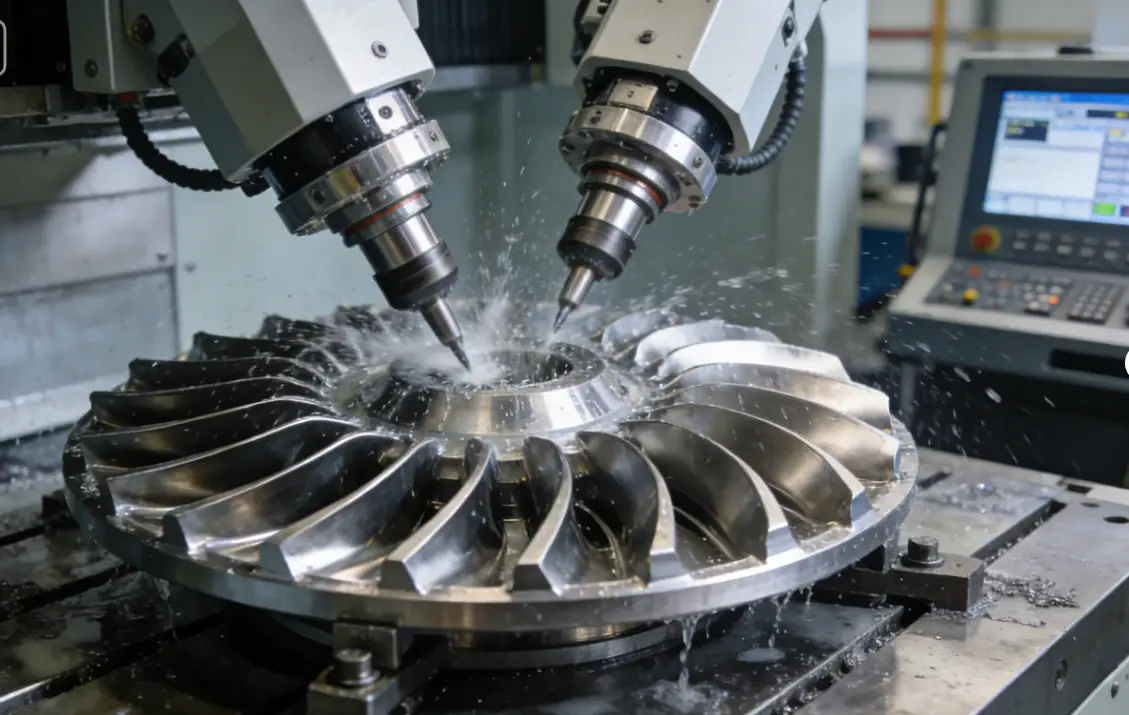
Mechonus is known for reverse engineering and discontinued-part recovery. But that is not the only way to work with us. If you already have a complete CAD model or manufacturing drawing, we can start directly with CNC prototyping or small-batch machining.
Drawing interpretation, functional tolerances, fixturing, manufacturing coordination and inspection underpin both services. Reverse engineering adds an upstream step—recovering missing design data. Standard CNC machining begins with your existing design and applies the same drawing-led process control.
If you are looking for a supplier for a prototype, pilot build or repeat low-volume order, your enquiry is welcome even when no old part needs to be reconstructed.
What We Do: CNC Prototyping
CNC prototypes help validate geometry, assembly and application requirements before a larger production commitment. We review jobs from one piece to a few dozen, from simple brackets and panels to complex machined surfaces.
Metal and Engineering Plastic Materials
- Metals: aluminum alloys such as 6061 and 7075, stainless steel, brass, copper and titanium.
- Engineering plastics: ABS, PC, PMMA, POM, PA (nylon), PEEK and other grades where suitable.
Specify the exact grade and application. Material availability, machinability, dimensional stability and finishing compatibility are confirmed during quotation.
Machining and Tolerances
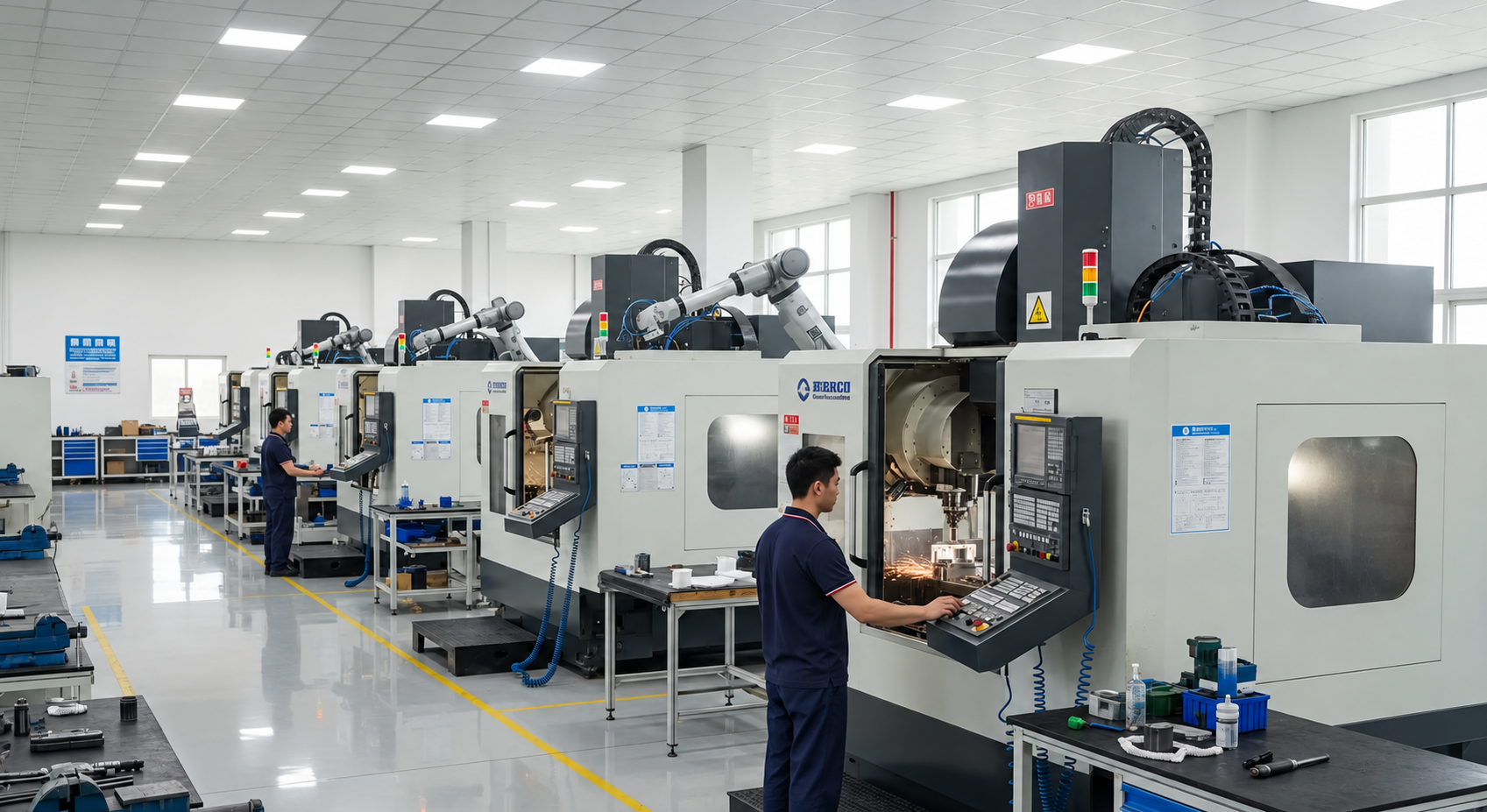
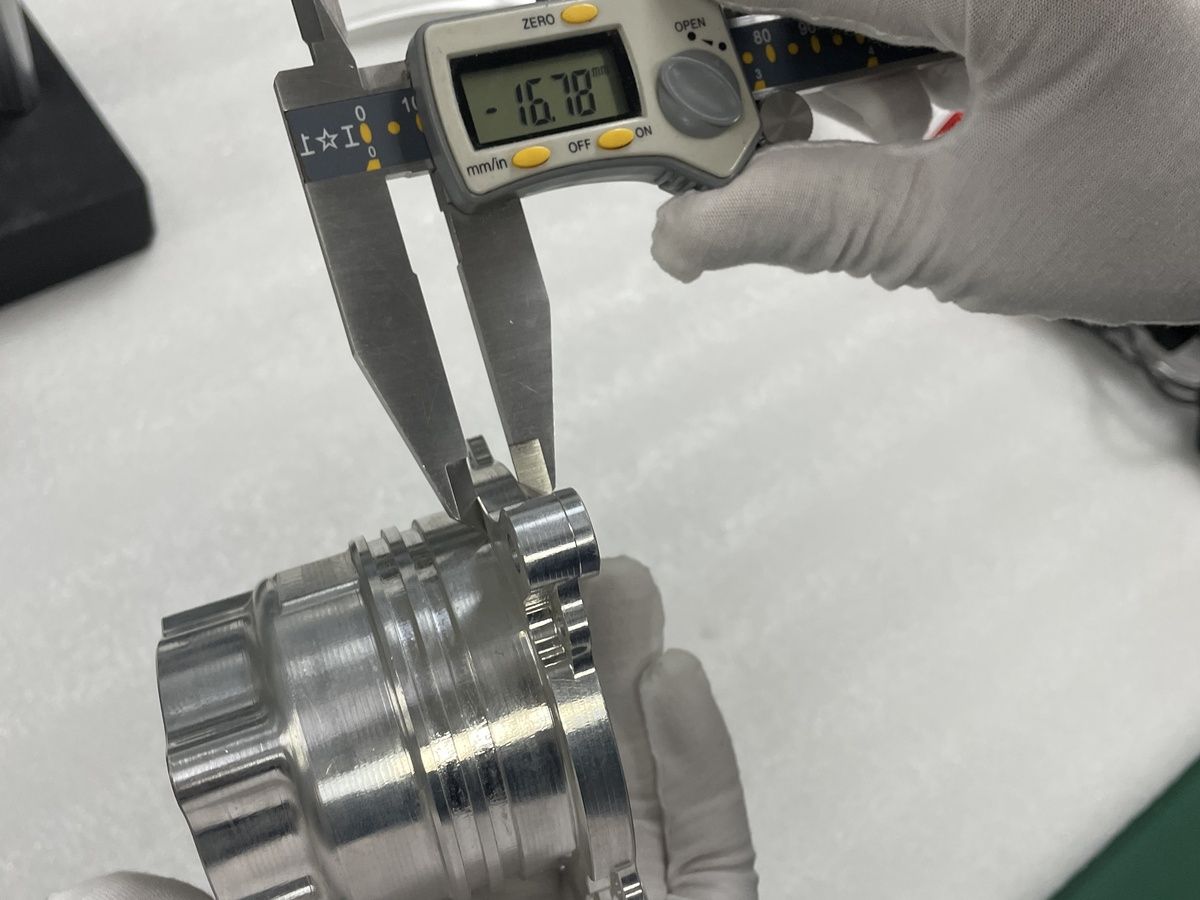
The machining route may use 3-, 4- or 5-axis milling, turning or mill-turn operations. Selected critical features can be evaluated for tolerances down to ±0.01 mm, depending on size, geometry, material, workholding and measurement method. We confirm achievable requirements against the drawing rather than applying that number to every surface.
Finishing and Deliverables
Anodizing, bead blasting, plating, painting, polishing and laser marking can be included where appropriate. Agree finish thickness, masked threads or fitted surfaces, and appearance criteria before cutting. Deliverables are finished physical parts and the agreed inspection records; detailed dimensional reports can be specified with the order.
Small-Batch CNC Machining: Typically 10–500 Pieces
After prototype validation, customers often need pilot production rather than a mass-production line. Mechonus reviews this 10–500-piece range, with batch size, process and pricing matched to the drawing.
Why Consider CNC Before Committing to Tooling?
- Design flexibility: revise approved CAD and drawings without first committing to production molds. Tooling can be modified, but changes may add cost and time.
- Less tooling commitment: CNC can avoid a mold build where the part and quantity suit machining.
- Application-led materials: select a suitable machinable metal or plastic grade instead of defaulting to a molding route.
- Volume-sensitive economics: compare setup, unit cost, finishing and expected future demand. CNC is not automatically cheaper at every quantity.
Typical Uses
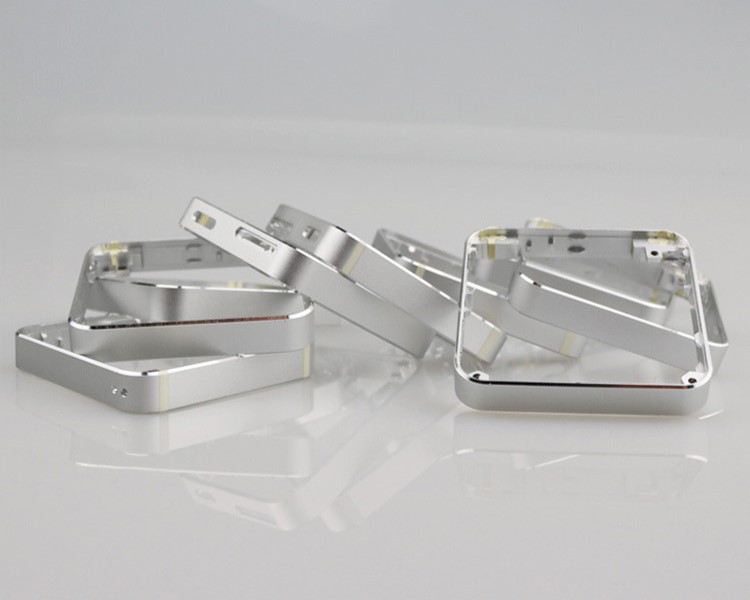
Pilot builds for customer validation, bridge production while tooling is developed, customized products with varying specifications, and niche products with demanding material or fit requirements can all benefit from a small-batch machining route.
The Process Behind Every Batch
A prototype and a repeat batch need a clear manufacturing definition. Inspection depth and sampling are scaled to the application, while revision control and material approval remain central.
DFM review
Review thin walls, deep pockets, internal corners, tool access and assembly interfaces. Resolve changes before cutting and approve the drawing revision.
Material verification
Confirm the specified grade against the job record. Agree material certificates and any approved substitutions before production.
Fixturing and setup
Plan and verify workholding, datum references, toolpaths and machining sequence to support repeatable critical features.
First article inspection
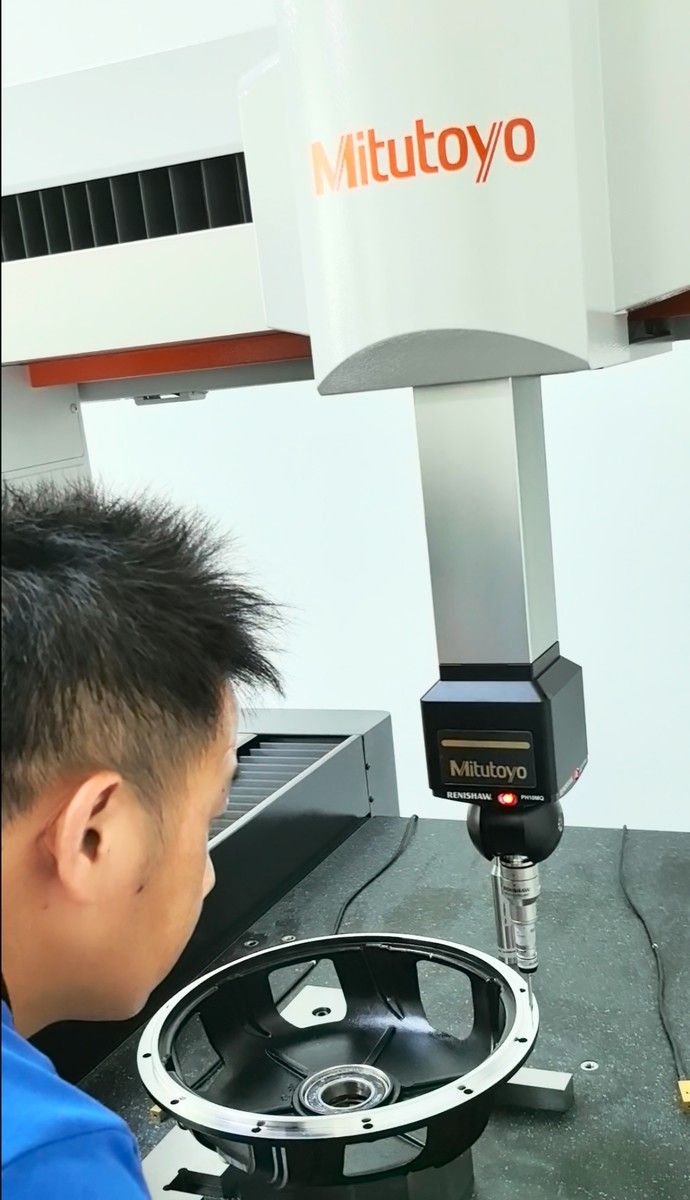
Inspect the first article against agreed dimensions, fits and GD&T. Obtain the required approval before releasing the remaining batch.
In-process control
Check critical features at agreed intervals, manage tool wear and retain the required process records.
Finishing and assembly, if specified
Apply the agreed anodizing, plating, painting, marking or light assembly. Protect fitted surfaces and account for coating effects.
Final inspection and shipment
Verify the completed condition after finishing, confirm quantity and revision, and supply the agreed dimensional report and documentation.
Final acceptance follows any finishing that can affect dimensions or appearance. This avoids treating a pre-anodizing inspection as proof of the delivered condition.
Detailed Project: 50 Sets of Aluminum Audio Equipment Enclosures
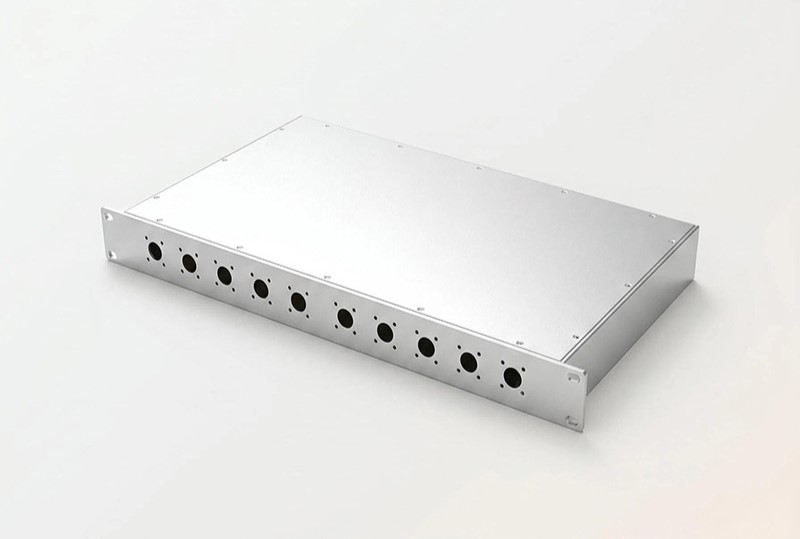
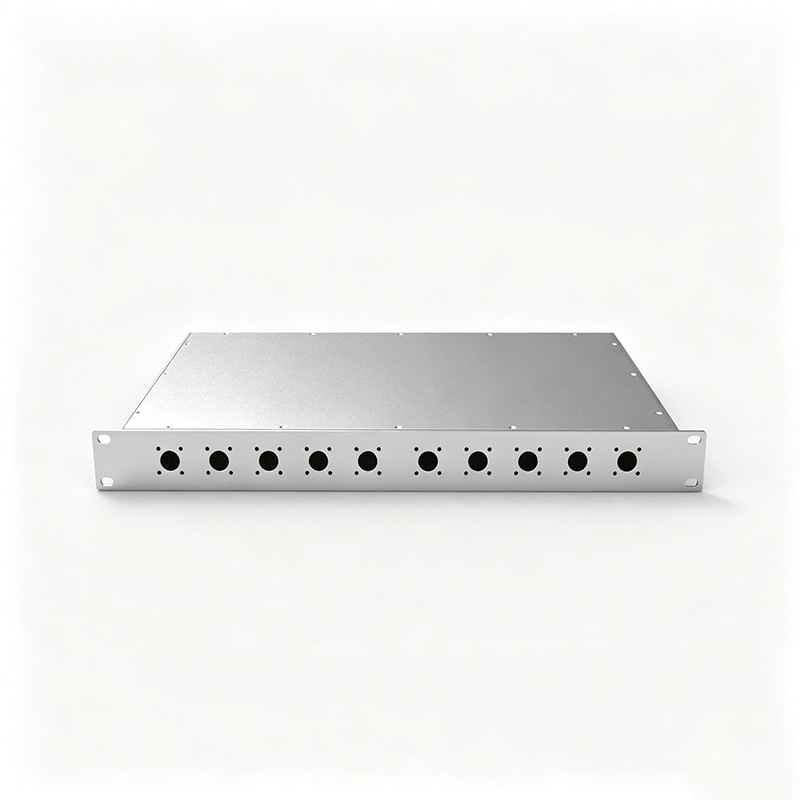
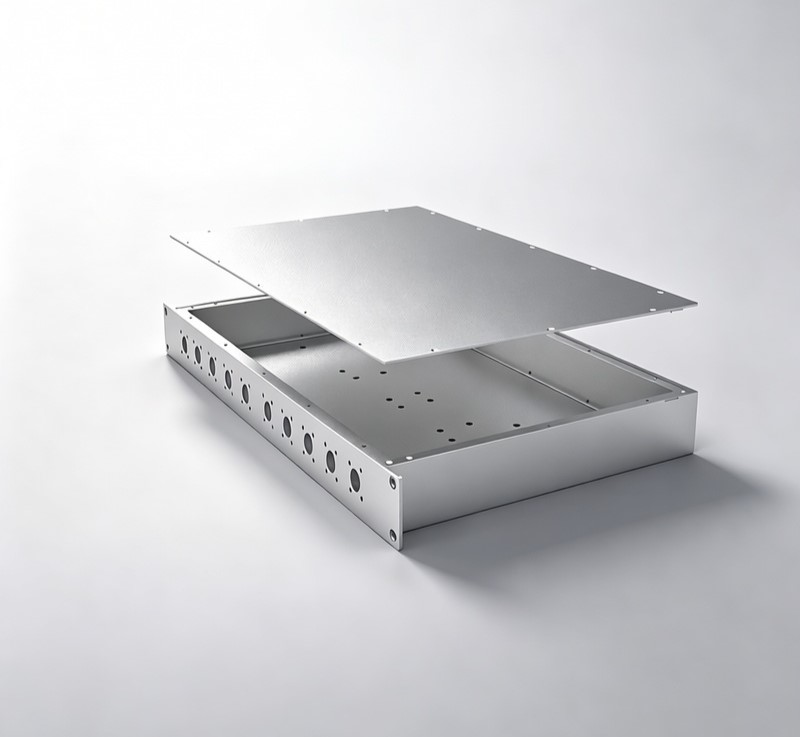
A professional audio equipment customer needed 50 enclosure sets for pilot production of a mixing-console effects unit. The enclosure had to accommodate the processing board, support assembly and satisfy the specified appearance, shielding and thermal requirements.
| Part | Audio processor aluminum enclosure |
|---|---|
| Dimensions | 483 × 45 × 290 mm |
| Material | 6063 aluminum |
| Finish | Matte silver anodizing |
| Quantity | 50 sets |
| Key requirements | Bend geometry and assembly-hole consistency; shielding and thermal requirements reviewed by application |
The Assembly Challenge
The enclosure combined multiple formed surfaces and mounting holes. One bend angle in the original design conflicted with the circuit-board mounting space. Producing the original definition without that review would have created interference.
What We Did
- Identified the interference during DFM and proposed an approved bend-angle change without compromising the agreed exterior or function.
- Used the specified 6063 aluminum with a forming route reviewed for the part.
- Applied CNC-controlled bending and precision machining of assembly features; the project specified ±0.1 mm control for relevant hole positions.
- Applied matte silver anodizing and obtained customer first-article approval before the remaining batch.
Reported result: 50 enclosure sets were delivered within the project specifications, assembly passed without rework, and the customer proceeded to pilot production on schedule.
This is a combined forming-and-machining project: CNC bending is not CNC milling. Its outcomes illustrate the value of DFM and coordinated operations, not a universal promise of shielding performance, zero rework or a fixed delivery time.
More CNC Machining Applications
The following image positions will show finished parts, alternate views and details from the supplied projects. Process and material descriptions will be finalized with the uploaded images.
Computer Panel Prototype
Panel cutouts, mounting holes and assembly clearances need a drawing-led machining plan. Specify the actual material grade—PC, ABS and aluminum are different options, not interchangeable descriptions of one component.
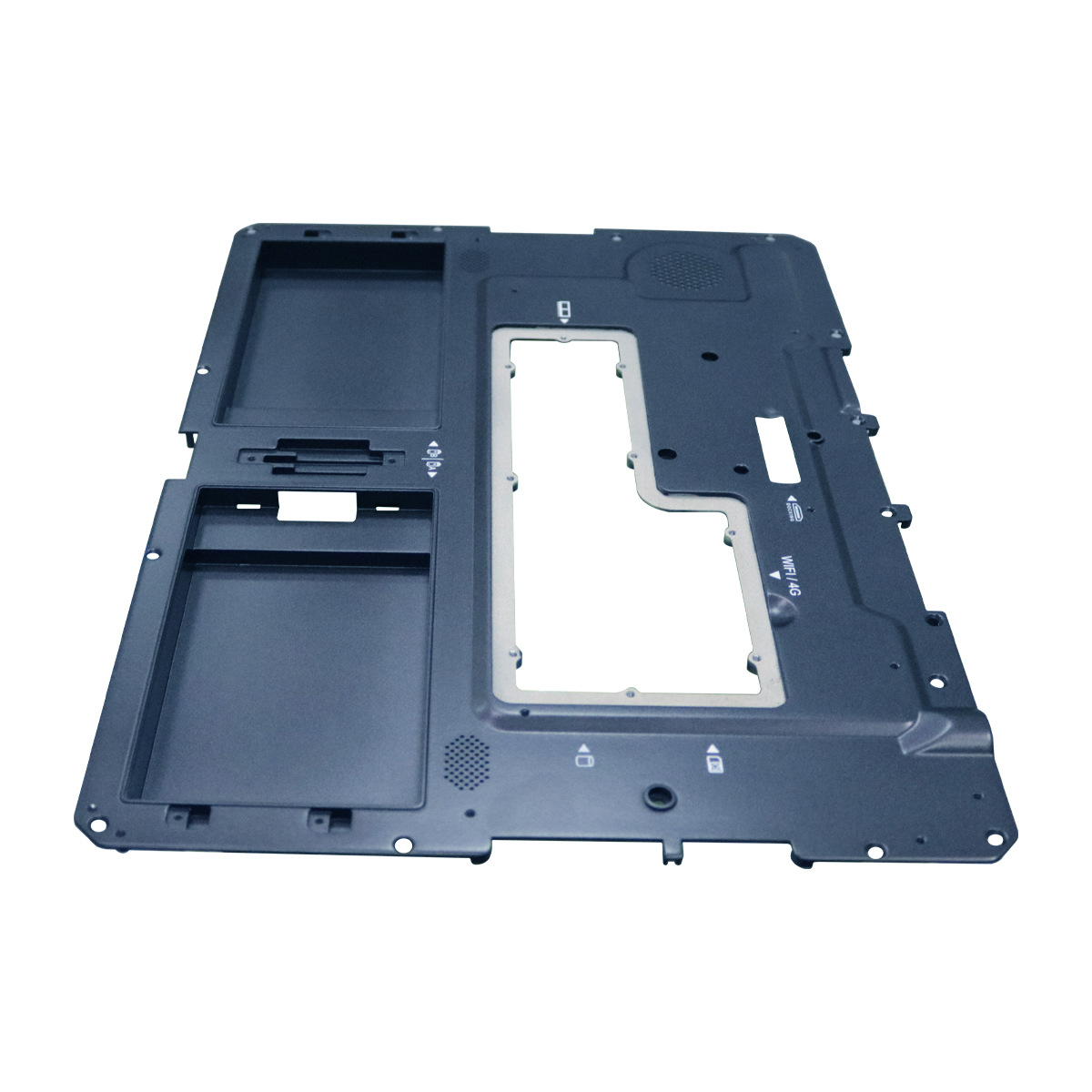
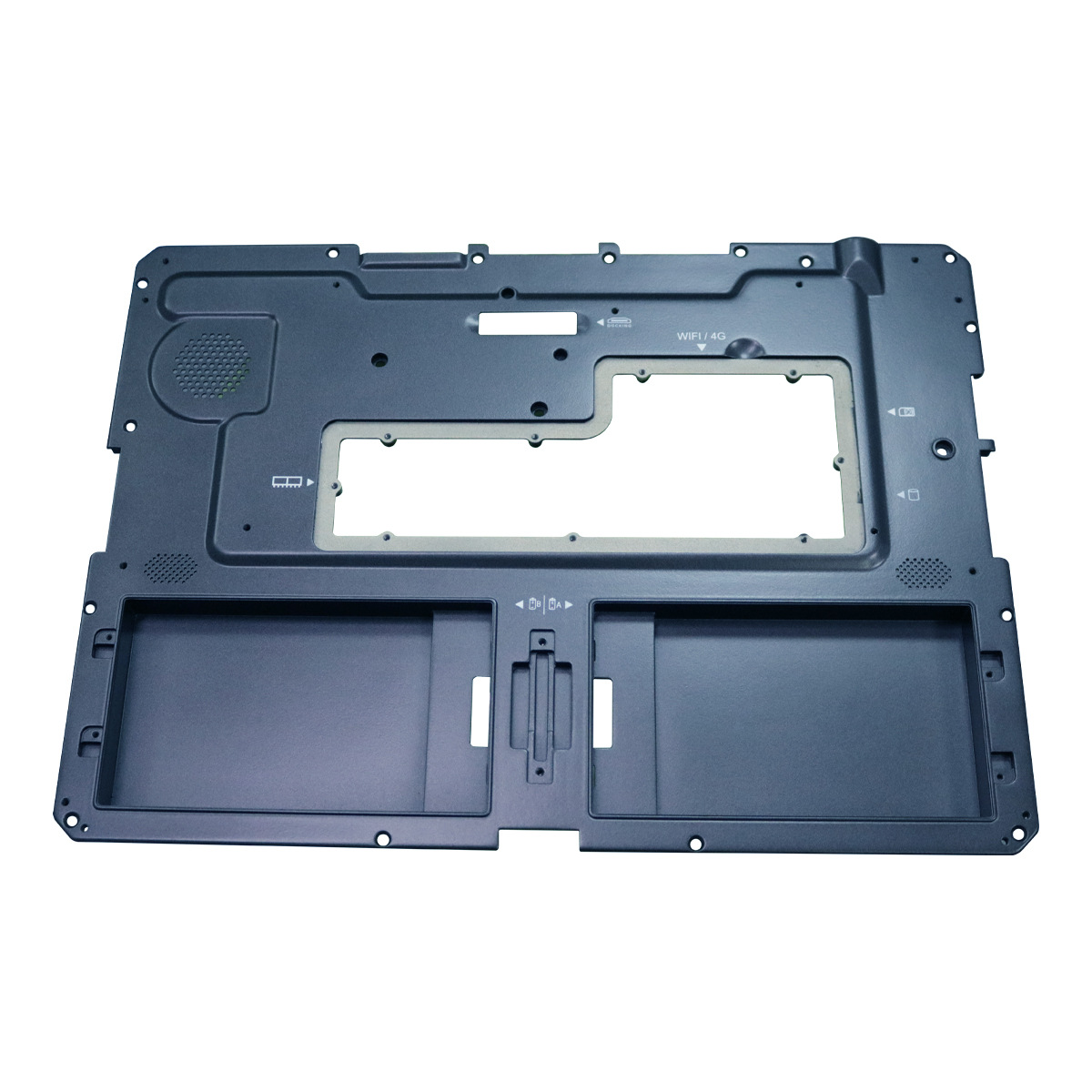
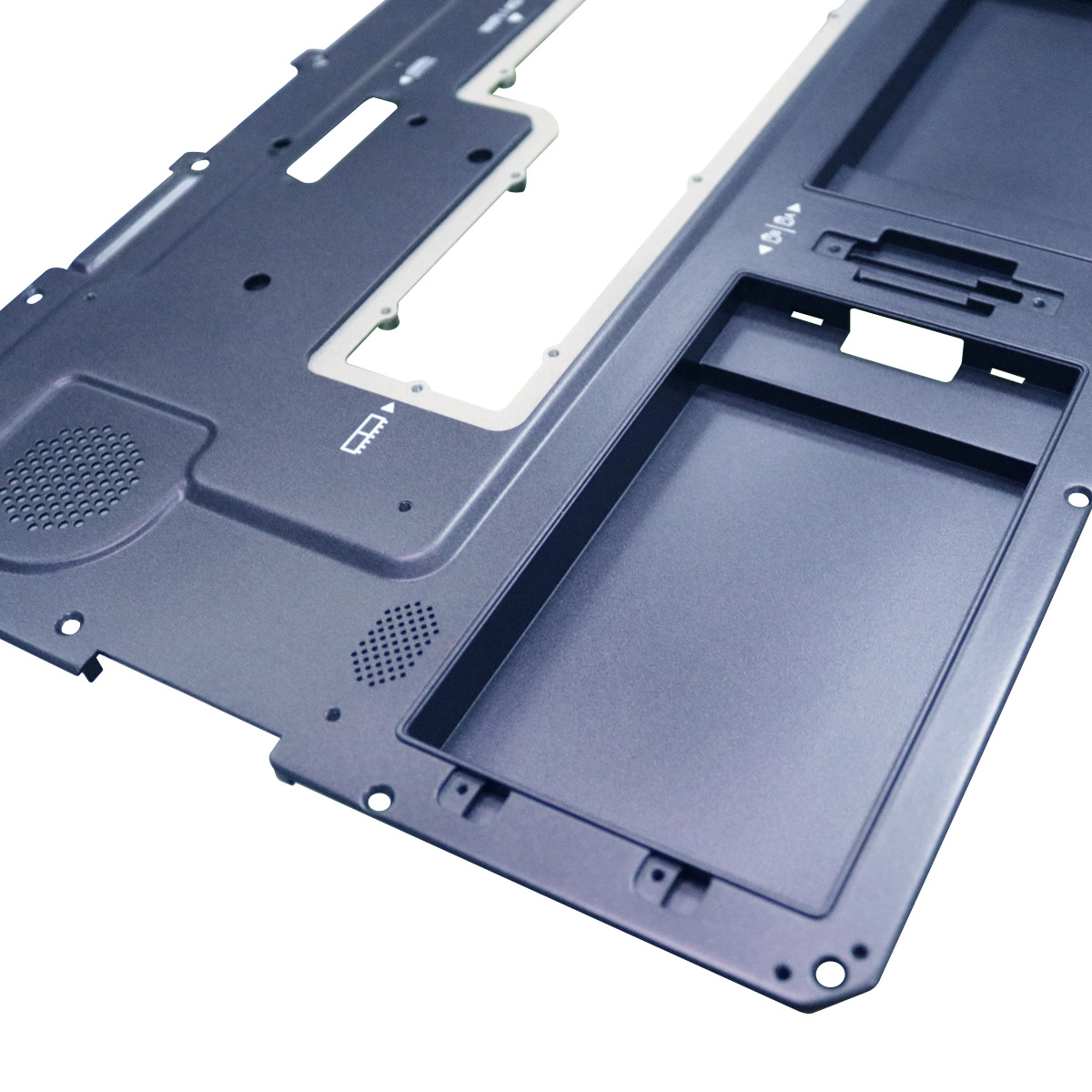
Computer panel prototype: cutouts, mounting holes and assembly details.
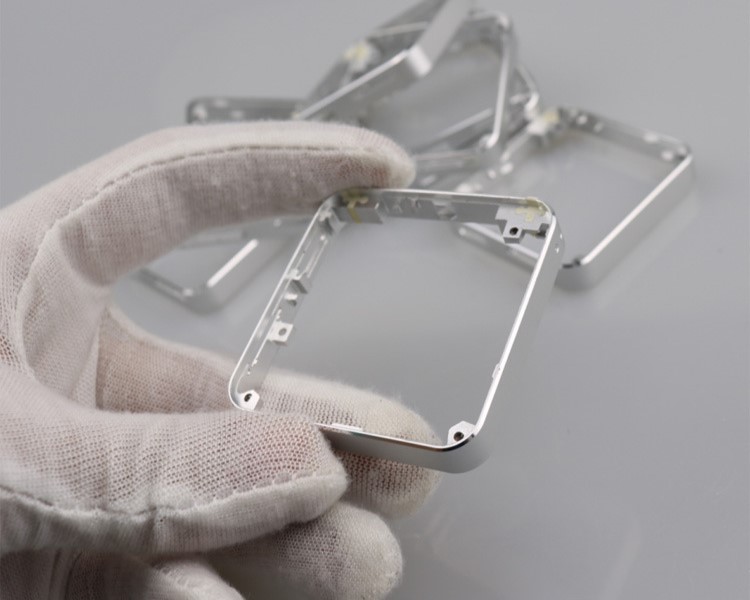
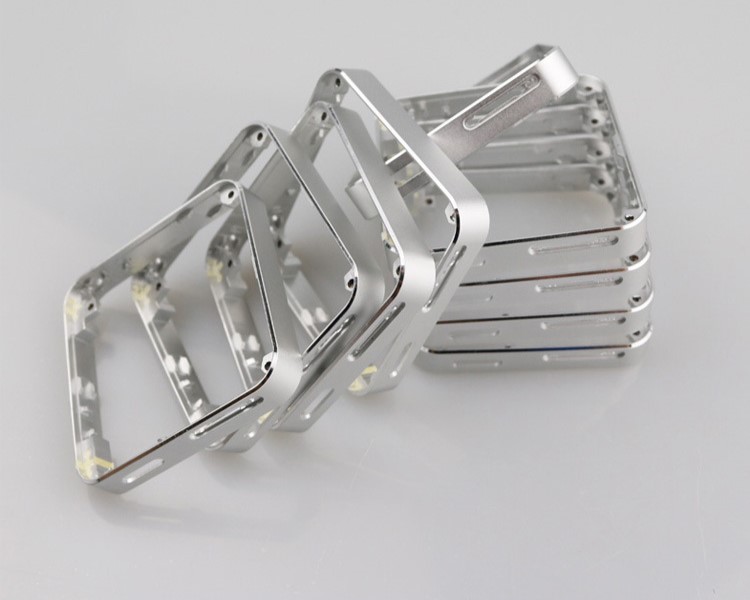
High-Precision Complex Aluminum Prototype
Complex metal prototypes combine accessible toolpaths, stable fixturing and inspection of critical interfaces. The supplied example references a 0.1 mm tolerance; the controlling dimensions and acceptance method are defined on the project drawing.
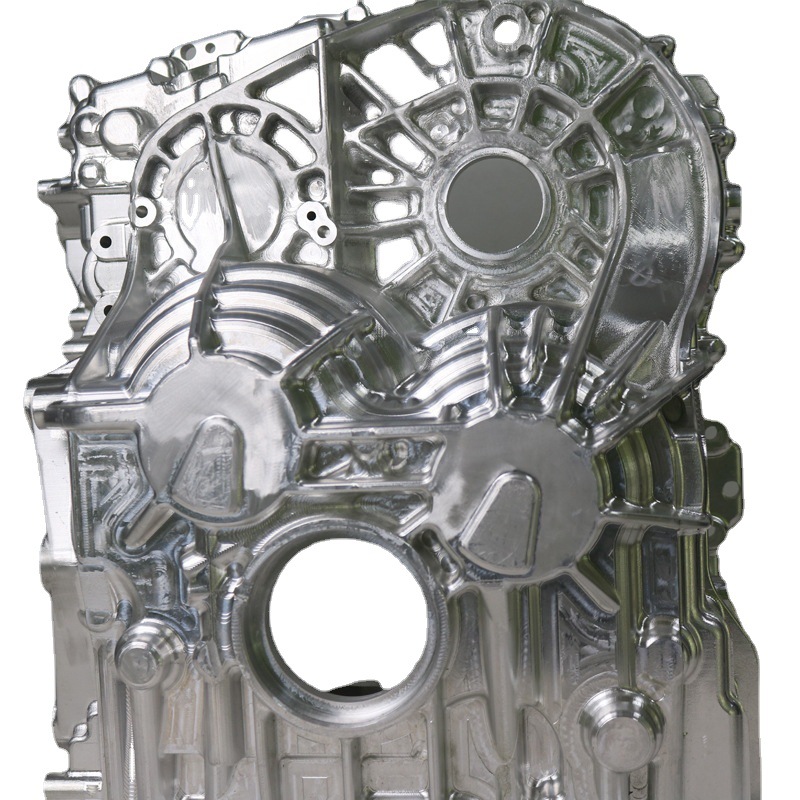
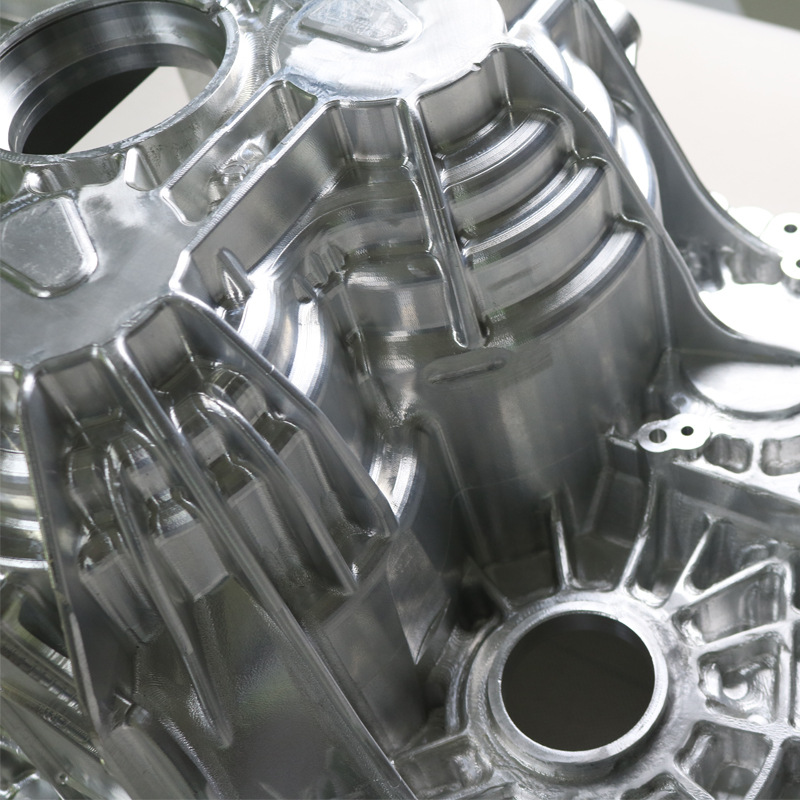
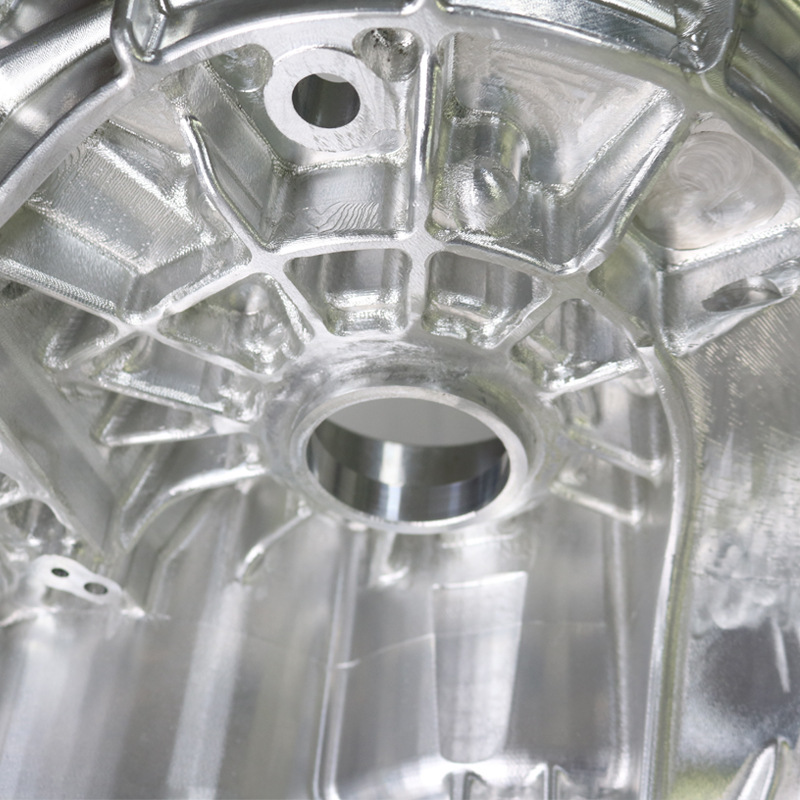
Complex aluminum prototype: geometry, interfaces and machined details.
Precision CNC Machining with Polishing
Polishing and brushed finishes can improve appearance, but they also affect edges and fitted surfaces. Agree protected dimensions and appearance requirements. Minimum quantities are confirmed per job rather than applied as a blanket 50-piece requirement.
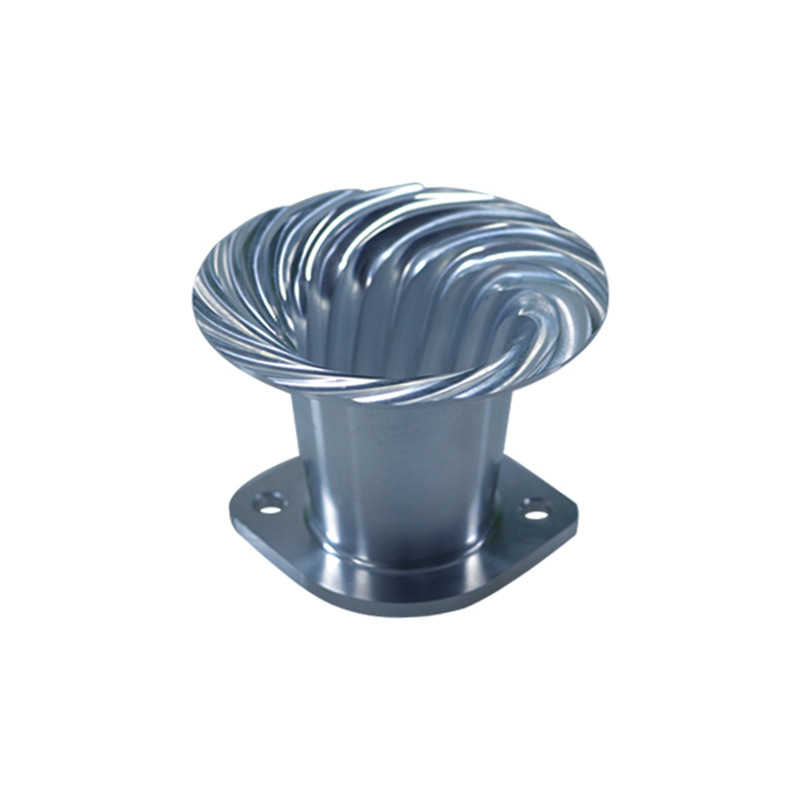
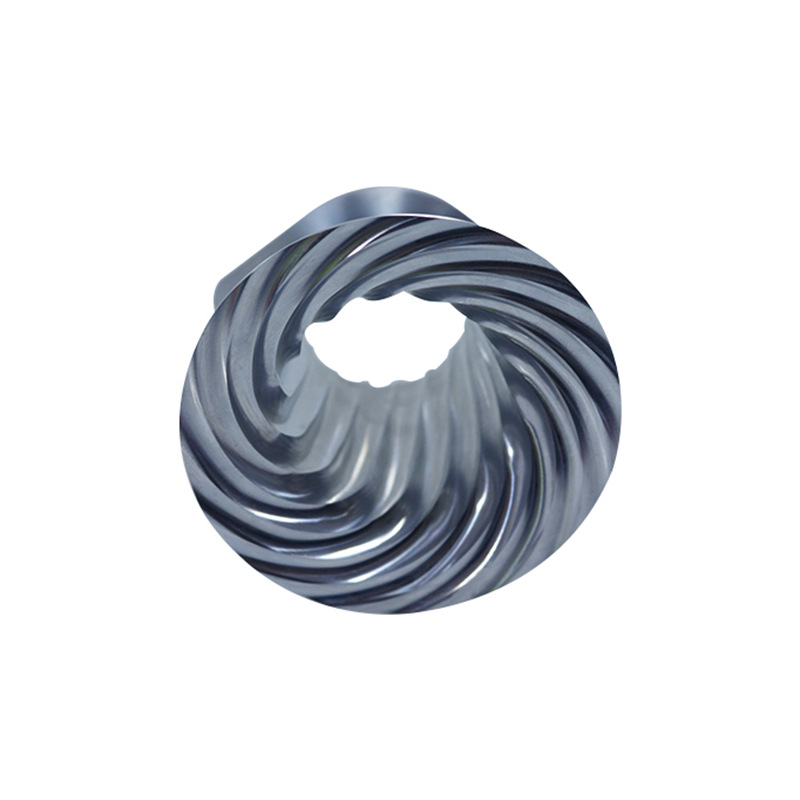
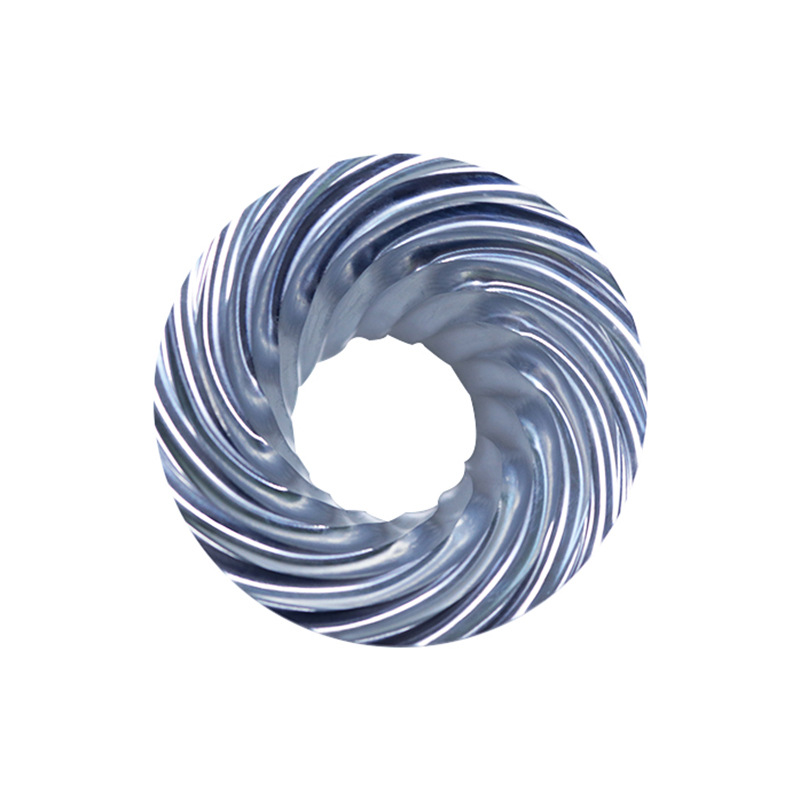
Polished aluminum component: finished surfaces and protected functional features.
Custom Non-Standard Metal Parts
Non-standard components may use milling, turning, EDM, sheet-metal forming or stamping. Those are distinct operations. We review the geometry, material, tooling and quantity to choose a suitable route rather than describing every metal process as CNC milling.
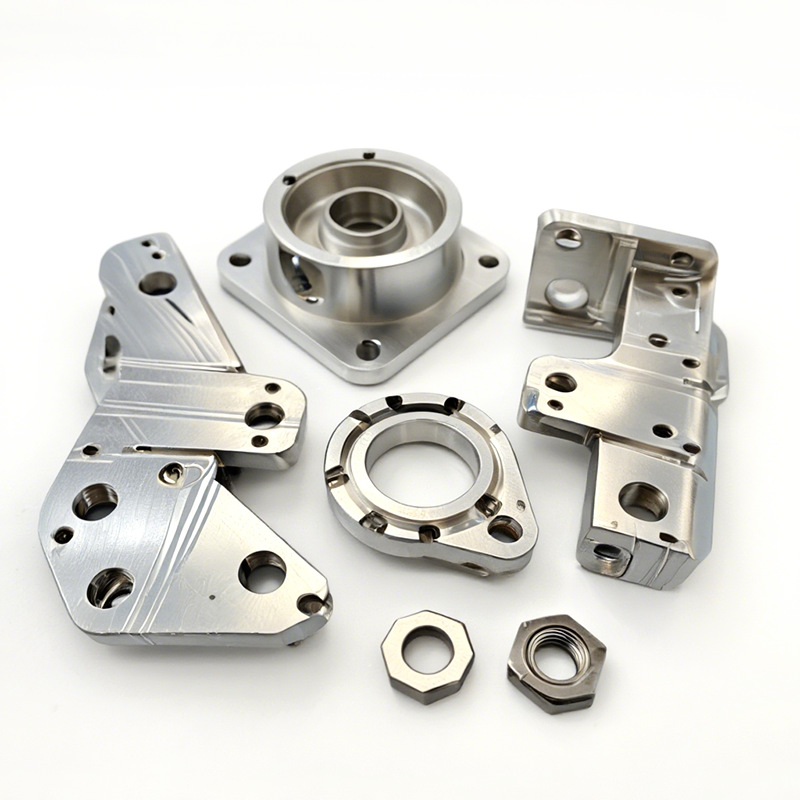
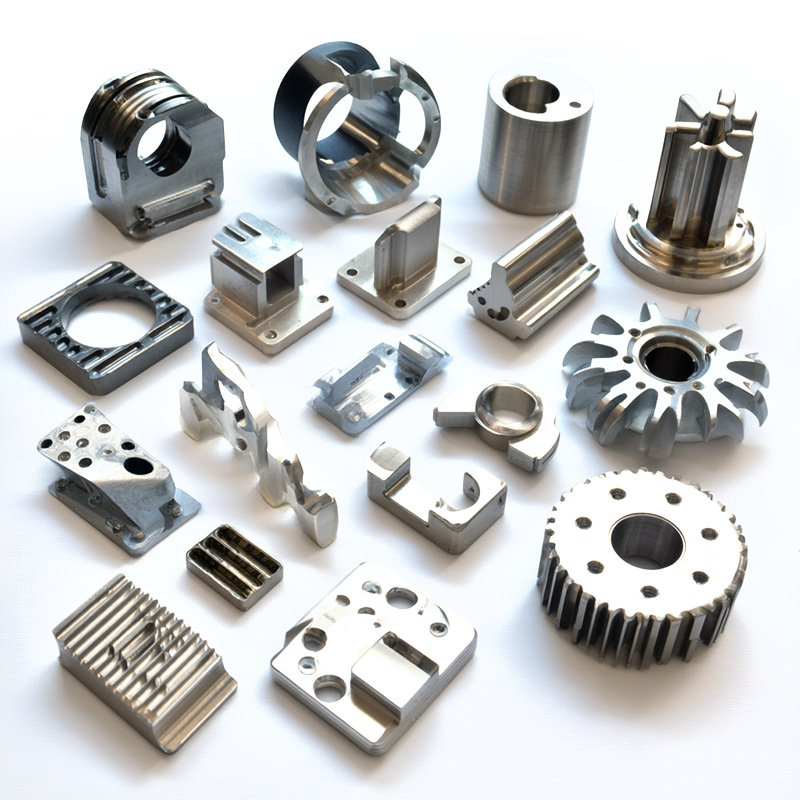
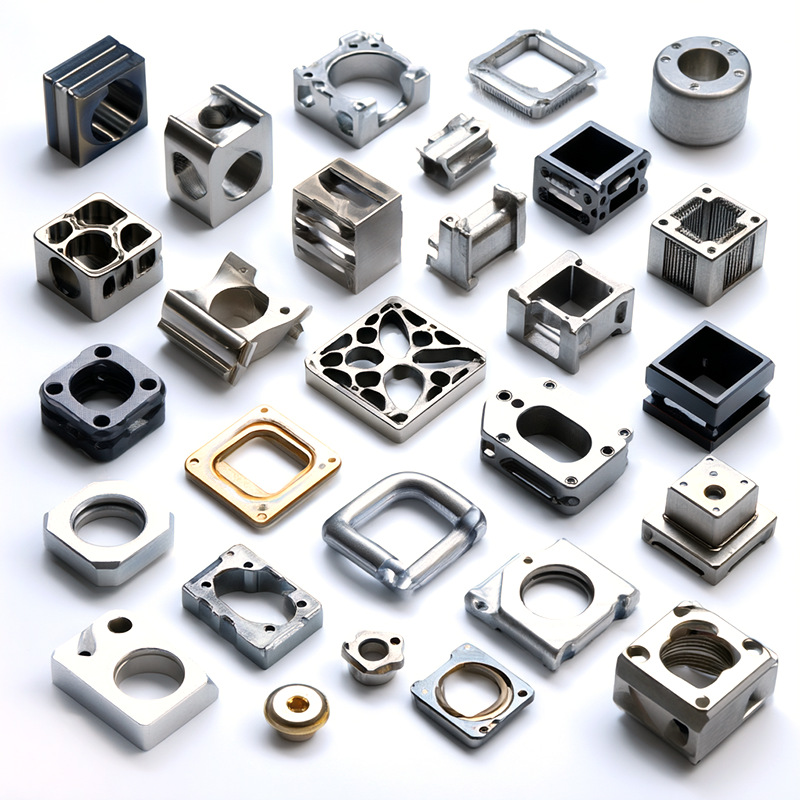
Custom metal parts: process selection matched to geometry and quantity.
Quality Documents for Standard CNC Orders
Tell us which records your purchasing or engineering team needs before quotation. The agreed package can include material certificates, critical-dimension inspection reports, CMM or first-article reports, finishing records and revision-linked batch traceability.
If your industry requires a specific quality-system certificate, provide the requirement during intake so the applicable production route and current supporting documents can be confirmed. Inspection and documentation should fit the application; they are not replaced by a decorative certification logo.
From Reverse Engineering to Standard CNC: The Same Drawing-Led Control
Both routes require a functional datum scheme, realistic tolerances and a measurement plan. Some recovery projects controlled machining surfaces within 0.1 mm; selected CNC features may justify ±0.01 mm. These describe different project requirements, not one universal accuracy rating.
For your standard CNC order, identify which fits, bores, hole patterns and surfaces matter most. We will review those requirements and agree how the delivered part will be inspected.
If You Are Looking for a CNC Machining Supplier, Send Us Your Drawing
Whether you know Mechonus through reverse engineering or are discovering us for the first time, you can send a standard CNC prototype or small-batch enquiry directly.
What Helps Us Prepare a Useful Quote?
- CAD and drawing: STEP or other agreed CAD format, plus a dimensioned 2D drawing and revision where available.
- Material: exact alloy or plastic grade and any heat-treatment requirements.
- Quantity: prototype count, batch quantity and expected repeat demand.
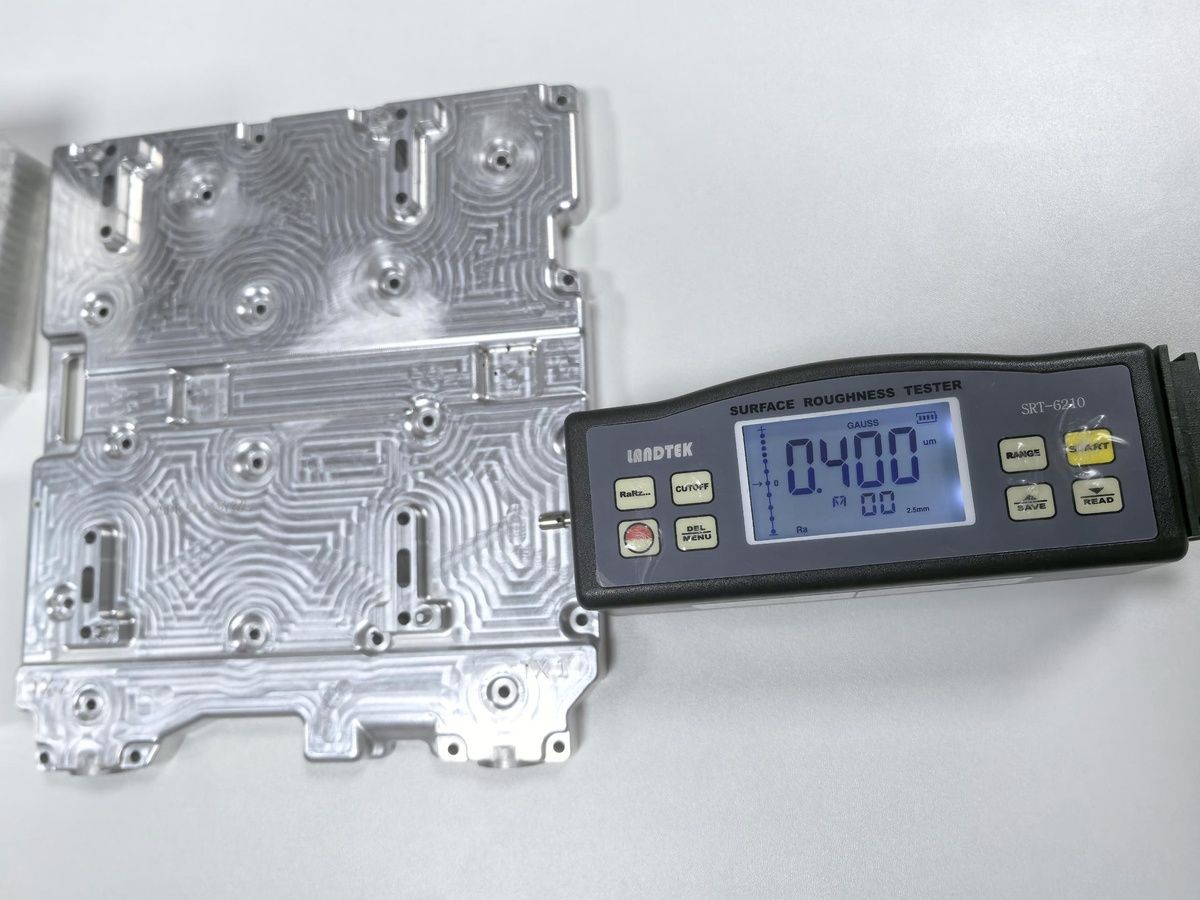
- Critical requirements: dimensions, fits, GD&T, threads and surface roughness.
- Finish and appearance: coating, color, masking and any cosmetic surfaces.
- Delivery and documents: required date, delivery destination and inspection or traceability records.
We will review manufacturability and quote an agreed process, timeline and inspection scope. If the drawing is incomplete, flag the missing requirements so they can be resolved before production.
Send your CAD or drawing for a CNC quote →Frequently Asked Questions
Does Mechonus accept standard CNC orders without reverse engineering?
Yes. If you already have CAD or a manufacturing drawing, Mechonus can review it for CNC prototyping and small-batch machining. Reverse engineering is not required for a drawing-ready project.
What quantities can Mechonus quote?
We review one-off prototypes, batches of a few dozen parts and small-batch orders typically ranging from 10 to 500 pieces. Feasibility, minimum quantity and pricing depend on geometry, material, setup and finishing requirements.
Which CNC machining materials can I specify?
Common options include aluminum 6061 and 7075, stainless steel, brass, copper and titanium, plus engineering plastics such as ABS, PC, PMMA, POM, PA and PEEK. Specify the exact grade; availability and process suitability are confirmed during quotation.
What CNC machining tolerances can you hold?
Selected critical features may be evaluated for tolerances down to ±0.01 mm. This is not a blanket tolerance for every part. Achievable limits depend on feature size, geometry, material, workholding, finishing and measurement method, and are confirmed against your drawing.
Can you provide anodizing and other finishes?
Anodizing, bead blasting, plating, painting, polishing and laser marking can be included where suitable. Define appearance, coating thickness and any masked fits or threads before quotation; inspect affected features in their final condition.
What should I send for a CNC machining quote?
Send CAD, a 2D drawing where available, exact material grade, quantity, critical dimensions and GD&T, surface finish, delivery requirement and inspection-document needs. Identify the revision and any assembly interfaces so the quote uses a clear manufacturing definition.
When is small-batch CNC preferable to tooling?
CNC can be useful for pilot builds, bridge production, customization and designs still being revised. Compare machining cost with tooling cost, lead time, material needs and expected future volume. Tooling can often be modified, but changes may require extra cost and time.
About This Article
This article summarizes Mechonus’ drawing-led CNC prototyping and small-batch approach, with an anonymized enclosure example supplied from project documentation. Technical parameters depend on geometry, material, equipment, tooling and finishing. Final tolerances, quantities, inspection records and delivery commitments are confirmed in the quotation and approved manufacturing definition.
Source: Mechonus project documentation and project manufacturing requirements.