Representative reverse engineering case · hydropower

Kaplan Turbine Blade Reverse Engineering: From Cavitation Erosion to Rated Output

A Canadian hydropower station restored a 3 MW horizontal Kaplan turbine by converting a cavitation-damaged legacy blade into an optimised, cast-and-machined replacement—without replacing the entire unit.

Kaplan runner scanning and CAD reconstruction workflow

The challenge

A 3 MW unit that could only produce 2 MW.

A Canadian hydropower station’s 3 MW horizontal Kaplan turbine had been operating with cavitation damage and increasing vibration. Its usable output had fallen to 2 MW. The original manufacturer had changed product generation, leaving no recoverable drawing and no like-for-like spare blade route.

The customer needed a solution that could restore output without the capital expense and disruption of replacing the whole unit. The degraded blade had to become the engineering evidence for a replacement that resolved—not simply repeated—the cavitation mechanism.

The challenge

Cavitation had disrupted both blade profile and performance.

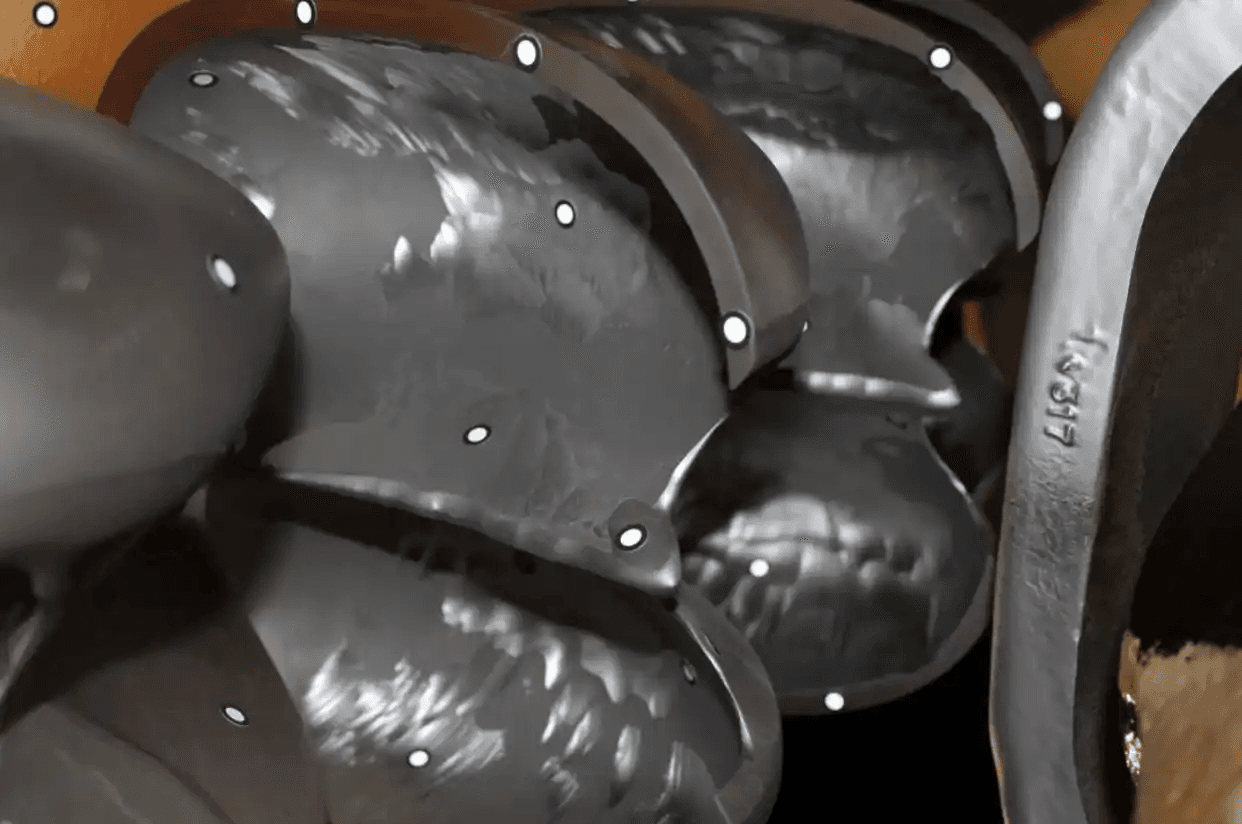
Erosion changes the pressure-side and suction-side geometry that controls water flow. As the blade profile degrades, vibration rises and energy conversion falls. A direct copy of the worn geometry would reproduce the same underlying risk.

Kaplan turbine runner with cavitation-affected blade surfaces

The approach

3D scanning plus CFD: recover the blade, then improve it.

The project combined complete blade-surface capture with CAD reconstruction and multi-round computational fluid dynamics analysis. The output was a controlled digital definition for casting and machining, not a one-off scan copy.

01

Capture the blade surface as engineering evidence

The worn blade was registered, its cavitation-affected zones documented, and its complete surface captured with high-precision 3D scanning. The scan was converted into an editable CAD baseline while retaining the evidence needed to separate undamaged form from erosion-related loss.

  • Physical evidence retained with the released engineering revision
  • Hydraulic optimisation evaluated before manufacturing release
  • Final CAD controls casting and machining output
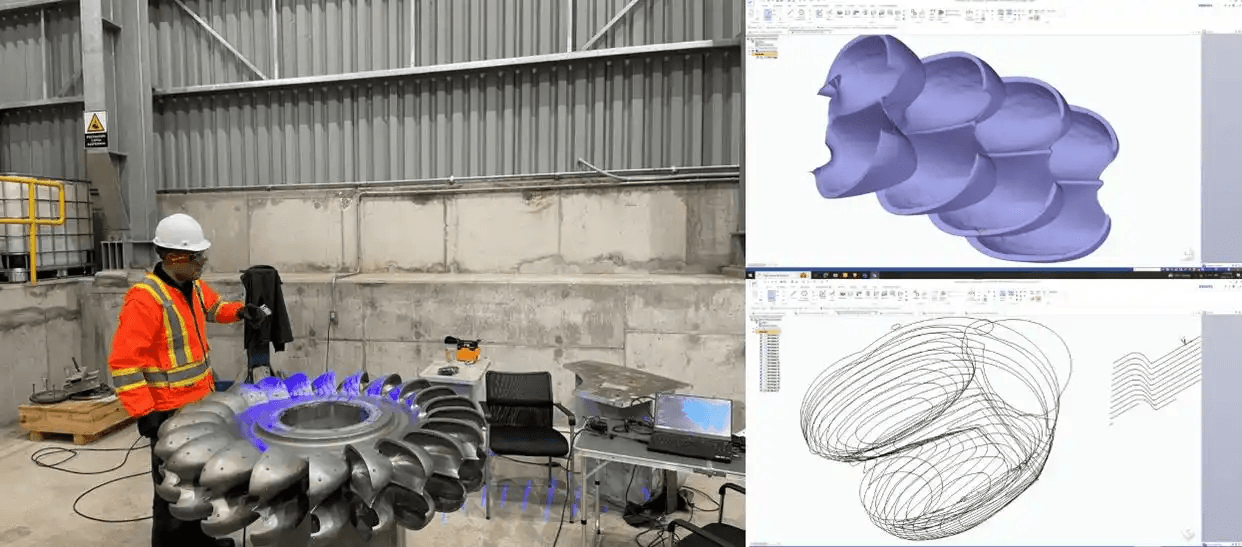
Image placeholder · 3D scanning of the Kaplan blade
02

Rebuild the CAD and improve the hydraulic behaviour

The scan baseline was rebuilt into production CAD and reviewed with turbine-design specialists through multiple CFD iterations. The blade mean line was adjusted to reduce low-pressure cavitation risk, while a guide ring was introduced on the outer hub side to improve flow guidance and reduce vortex formation.

  • Physical evidence retained with the released engineering revision
  • Hydraulic optimisation evaluated before manufacturing release
  • Final CAD controls casting and machining output
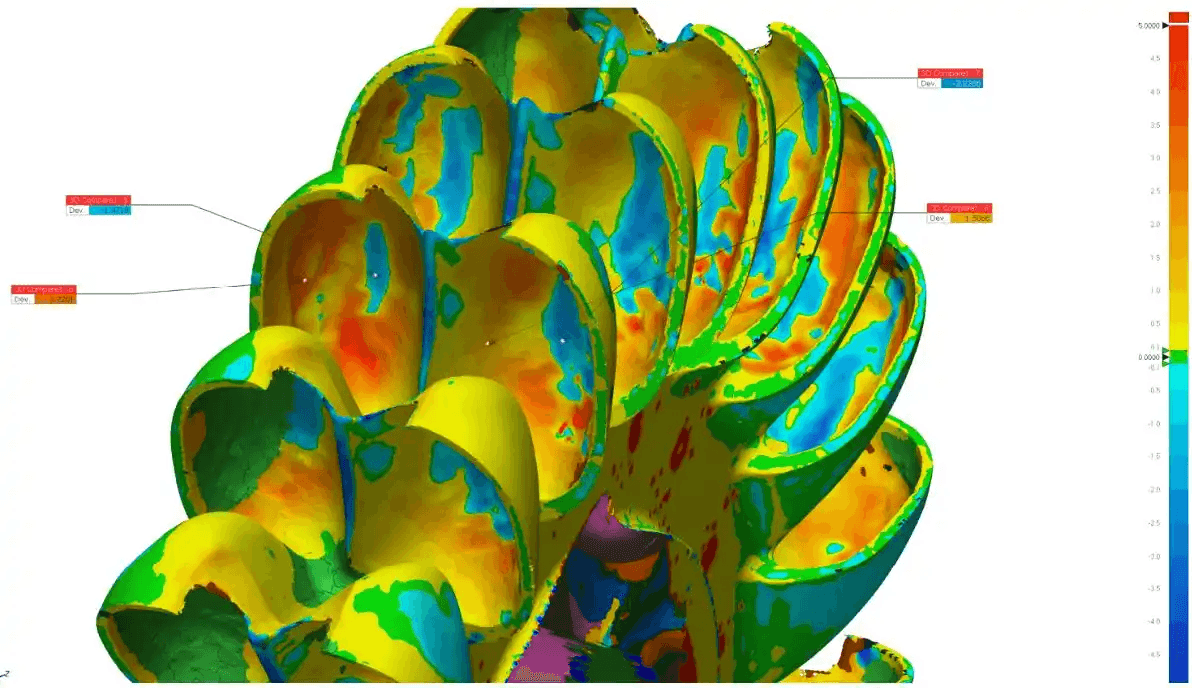
Image placeholder · CFD comparison before and after blade optimisation
03

Cast and machine from the final released model

The final, optimised digital model became the controlled manufacturing definition for casting and finish machining. The delivered blade was installed into the existing unit rather than forcing replacement of the entire turbine assembly.

  • Physical evidence retained with the released engineering revision
  • Hydraulic optimisation evaluated before manufacturing release
  • Final CAD controls casting and machining output
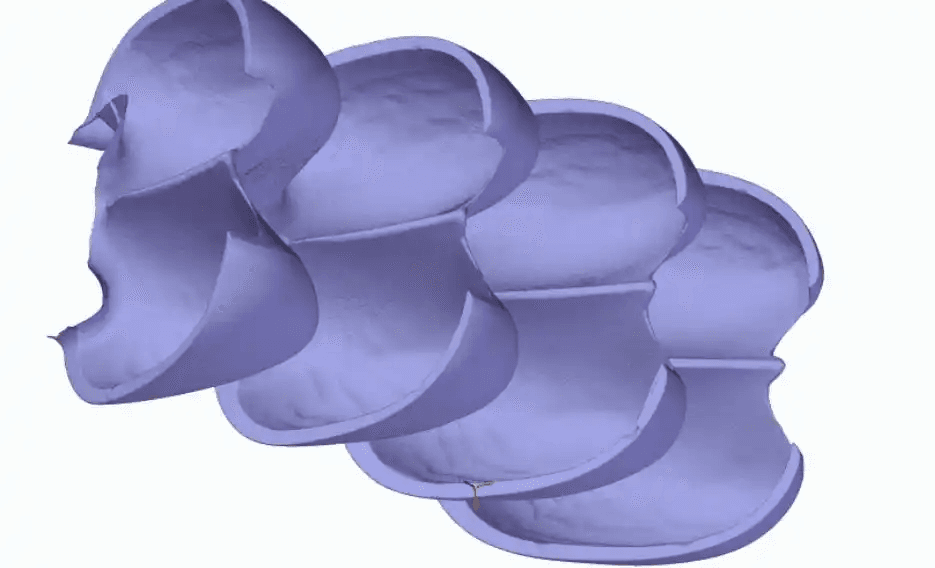
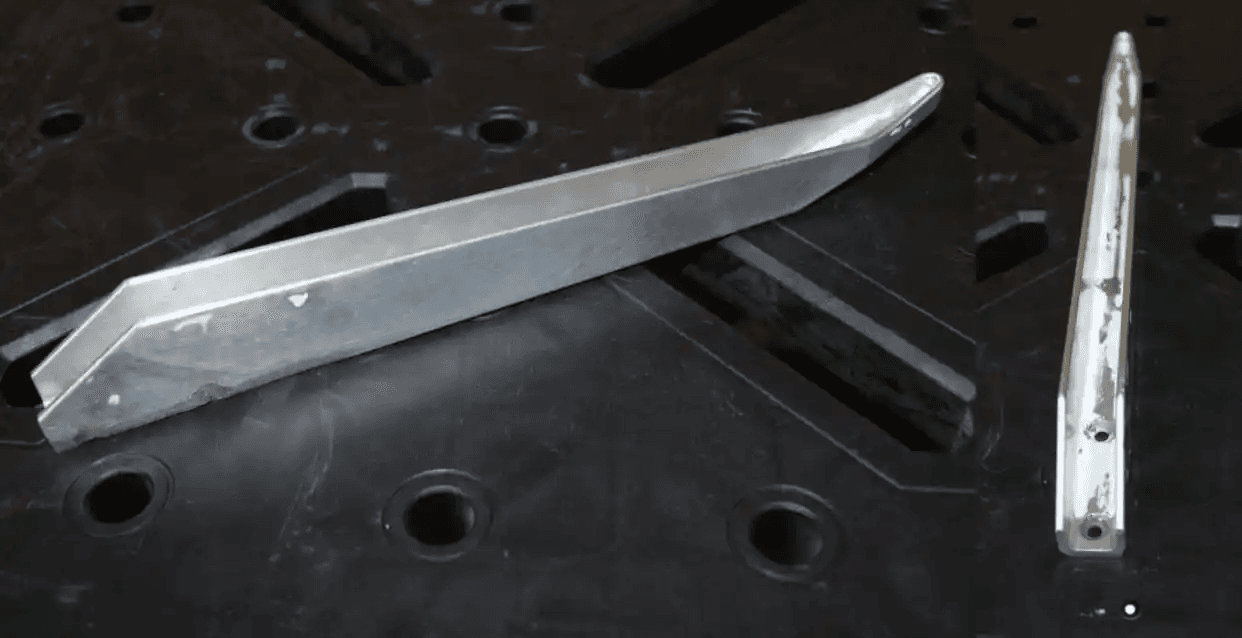
Image placeholder · finished cast and machined Kaplan blade

The result

Rated output restored without a new-turbine investment.

The optimised blade was cast and machined from the final released model, then installed in the existing Kaplan unit. The project recovered both output and operating efficiency while extending the productive life of the hydropower asset.

OutputRestored to rated 3 MW
EfficiencyReturned to design level
Asset statusExisting hydropower unit remained in grid service
Customer valueAvoided the capital cost of a replacement turbine
Finished turbine blade component after controlled manufacture

Deliverables

One new blade returned the whole unit to design performance.

The customer did not need to replace the complete turbine. A controlled reverse engineering and optimisation route turned the damaged blade into the basis for an installed, verified replacement.

01

Optimised blade CAD

A parametric blade model rebuilt from high-precision scan evidence and improved through CFD; released for casting and machining.

02

New manufactured blade

A replacement blade cast and machined from the final released digital model, then installed in the existing turbine.

03

Installation validation

Commissioning confirmed rated output recovery and operating efficiency returned to the project design target.

Customer feedback

“After output was restored, the unit ran stably and we no longer had to consider replacing the entire turbine. This solution saved us a major capital investment.”Project Lead, Canadian Hydropower Station
Project publication note

This case is based on an actual delivered project. Customer information and selected technical parameters have been anonymized. To discuss a similar reverse engineering project, submit your part information through our website and our engineering team will provide an initial assessment.

What this case demonstrates

From blade digitisation to an installed hydraulic improvement.

The project combines the three capabilities required for legacy hydropower equipment: complete no-drawing geometry capture, CFD-led design improvement and closed-loop manufacture from released data to installed component.

Full-surface deviation analysis supports CFD-led blade optimisation

A damaged blade is still engineering evidence

Start with the blade, its duty and the operating symptoms.

Share photos, dimensions, station context, operating history and any available inspection records. We will define a controlled capture, engineering and validation plan for the replacement route.

Request an Engineering Review →

You control your choice. Continuing to browse does not constitute consent.

Strictly necessary — always active

Local browser storage remembers your consent choice for up to 180 days. It is not used for tracking.

Analytics and advertising — not used

No optional tracking technologies are currently installed. Accepting all does not enable any tracking. If this changes, we will update the policy and ask for fresh consent before enabling optional technologies.

Read our Cookie Policy.